Sponsored

United Methodist Church
Leaders
Welcome to ResourceUMC.org, the online destination for leaders throughout The United Methodist Church. Visit often to find ideas and information to inspire United Methodist leaders throughout the connection.


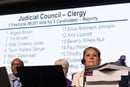
In an emotional morning, General Conference has eliminated the ban on “self-avowed practicing” gay clergy. Following the vote at break, delegates and observers sang hymns in joy.
Learn More
Watch this video to learn about the vital role communication ministries play in The United Methodist Church’s ongoing mission to transform the world.
Learn moreEvents View More
-
2May
-
6May
-
6May


Sponsored
UM Agencies
Agencies provide resources and services that equip local congregations and provide a connection for ministry throughout the world. These organizations can be found at all levels of the connection (churchwide, regional and local).
General Commission on Religion and Race
Religion & Race
Leading The United Methodist Church to become intentionally diverse is the primary mission of the General Commission on Religion and Race. It advocates for the full and equal participation of racial and ethnic constituencies in the church and monitors denominational practices.
Learn MoreGeneral Commission on Archives and History
Archives & History
The General Commission on Archives and History gathers, preserves and disseminates materials on the history of The United Methodist Church and its antecedents. It serves scholars and church members alike through archives and a library of resources.
Learn MoreGen Board of Higher Education & Ministry
Higher Education and Ministry
The General Board of Higher Education and Ministry (GBHEM) serves Christian leaders around the world who are defined, formed and shaped by a process of intellectual engagement, spiritual and character formation, and leadership development.
Learn MoreGeneral Board of Discipleship
Discipleship Ministries
Discipleship Ministries provides resources and services that assist clergy and laity leaders in local churches, districts and annual conferences as they seek to make disciples of Jesus Christ for the transformation of the world.
Learn MoreGeneral Commission on United Methodist Women
United Women in Faith
United Women in Faith is the largest denominational faith organization for women with approximately 800,000 members whose mission is fostering spiritual growth, developing leaders and advocating for justice.
Learn MoreGeneral Board of Pension and Health Benefits
Wespath
Wespath supervises and administers the pension and benefits programs, plans and funds of The United Methodist Church. It administers and disburses the retirement and benefit funds of the various annual conferences.
Learn MoreGeneral Commission on the Status and Role of Women
Status & Role of Women
The General Commission on Status and Role of Women challenges The United Methodist Church to commit to the full participation of women in the life and mission of the church.
Learn MoreGeneral Commission on Communications
Communications
United Methodist Communications tells the story of the church’s work around the world and equips United Methodists with communications tools, resources and training to share the story of God’s love.
Learn MoreGeneral Board of Church and Society
Church & Society
Using Scripture, The Social Principles and The Book of Resolutions as core documents, the General Board of Church and Society challenges United Methodists to work in areas of social concern and on issues of social justice.
Learn MoreGeneral Council on Finance and Administration
Finance & Administration
The General Council on Finance and Administration manages the finances and operational needs of The United Methodist Church and serves as the general treasurer of the denomination.
Finance and AdministrationGeneral Board of Global Ministries
Global Ministries
The General Board of Global Ministries connects the church from everywhere to everywhere in mission through sending and supporting missionaries, engaging volunteers, planting churches, addressing poverty and global health and responding to disasters.
Learn MoreThe United Methodist Publishing House
Publishing
The United Methodist Publishing House develops, produces and distributes print, digital and multimedia resources and supplies for Christian clergy and laity. Its primary responsibility is for the publishing and distribution of materials for The United Methodist Church.
Learn MoreGeneral Commission on United Methodist Men
United Methodist Men
As it involves men in a growing relationship to Jesus Christ and his church, United Methodist Men provides resources and support for programs of evangelism, stewardship and the needs of men. It also leads the church’s scouting ministries.
Learn MoreSponsored

Stewardship
YOU offer hope
Your generosity on Native American Ministries Sunday works to create a new history — one that respects the culture and loves God.
The Special Sunday offering allows us to collaborate with CONAM ministries, create programs and resources, educate members about Native ministries and support seminary scholarships for United Methodist Native Americans.
Half of the collections stay with local ministries in each conference and the other half supports the work of Native American United Methodist ministries nationally.
Updated 04/01/2024
General Conference

Use the updated Upper Room prayer guide specific to General Conference 2024 to guide your preparation for this important event.
Learn more

Diversity

To celebrate Asian American heritage, GCORR has created an infographic of important facts about the Asian American community.
Learn more

BeUMC
Watch this video to be reminded of why you chose to #BeUMC and to see how you are a vital part of The United Methodist Church’s continuing mission and ministry around the world.
Learn more